


Discover the history behind, and many uses for, one of the world's softest textiles

Journal

Curtains in Assemblage colour Burnt Umber, chairs in Modernist colour Mahogany, modular in Modernist colour Rust, cushions left to right in Modernist colour Blush, Impastare colour Bronze, Modernist colour Mahogany
Chenille | What the fuzz?
Created by French artisans in the 1780s the name chenille, like bouclé, denotes both the yarn and the fabric it is woven into. The unique surface texture is reminiscent of the hair-like bristles, or setae, of caterpillars, thus inspiring the name chenille – French for caterpillar.
Early techniques & applications
Early techniques & applications
In the 18th century, chenille yarn was created by weaving a leno or cross-weave fabric and cutting it into soft, fuzzy strips. These tactile yarns found popularity in women’s clothing and decorative arts, where they were often couched onto embroideries.
La Pelerine is an early example of an embroidery crafted almost exclusively from silk chenille, which dyes well and provides the textile’s quintessential ‘fuzz’. Due to the iridescent quality of chenille yarns, the colour appears altered depending on the angle it is viewed from. Yarns within La Pelerine have been carefully laid flat in a range of directions to depict the various shades of foliage around the cemetery.
Originally crafted by hand, the invention of water-powered machinery in the 19th century enabled chenille to be produced for the expanding middle class. Limitations related to the loss of weft tufts due to age or laundering remained until low-melt nylon was introduced to fuse the core yarns in the 20th century.

Chenille yarn used in embroidery | La Pelerine (1810), Historic Textile and Costume Collection, University of Rhode Island | Image sourced from Pinterest
Modern weaving processes
Modern weaving processes
In modern manufacturing, the pile fibre (2-3 mm long) is placed between two core yarns and twisted to create loops, forming the distinctive appearance and handle. These loops are cut very short at right angles, then woven together. By cutting the chenille yarns at these very short right angles, the fabric acquires an iridescent quality.
Chenille yarns are usually woven in the weft to produce a pile fabric that is generally softer and less uniform in appearance than velvet. Chenille can be constructed from natural fibres such as silk, viscose, linen, or cotton, or from synthetic alternatives to produce high-performance textiles – each blend produces a particular look and feel.
Chenille vs velvet
Chenille vs velvet
Whilst velvet has an undeniable luxury to it that suits both contemporary and traditional pieces, chenille is a transitional fabric with a more casual appearance.
Velvet can only be woven on a velvet loom, either as a plain velvet or a jacquard velvet. Chenille, on the other hand, is a yarn that can be mixed playfully with other yarns to allow more flexibility of use within an interior space. For example, in Intaglio the chenille is buried within the weave to create beautiful surface interest, whilst it sits proudly in Modernist, enhancing the depth of pile and colour palette.
Like bouclé, chenille textiles combine depth of pile with decorative colours, achieving that plush sense of comfort we continue to covet.

A multitude of uses
A multitude of uses
Being one of the softest textiles available, chenille has been popular for fashion, blankets, carpets, and crafts since its invention.
Alexander Buchanan, foreman of a Paisley fabric mill, introduced Scotland to chenille in the 1830s in the form of ‘fuzzy shawls.’ Tufts of coloured wool were woven into blankets before being cut into strips and heat treated. In the 1890s James Templeton and William Quiglay further developed Buchanan’s method to begin weaving rugs imitating intricate oriental patterns. Templeton later patented the process and became a leading carpet manufacturer through the 19th and 20th centuries.
In the 1890s Catherine Evans, a craft artisan from Georgia, revived the hand-tufted technique and began making chenille quilts. Her innovation led to the widespread manufacturing of quilts, carpets, and rugs across the United States in the 20th century, and Georgia remains an important location for carpet production today.
Chenille found popularity again during the 1970s, as the ideal textile to create the deep pile and rich colours of shag carpet. Our current obsession with the 70s design aesthetic has revived the textile once more; explore Mokum’s diverse range of chenille textiles below.
Modernist by Mokum
Modernist by Mokum
Modernist is a luxurious chenille upholstery, woven in Italy and coloured in a palette nostalgic for mid-century and 1970s design. The weighty construction and high linen-viscose pile suits expansive furniture frames and distinctive chairs, adding surface texture whilst encouraging you to sink into the comforting structure.
48% Viscose, 26% Cotton, 26% Linen


Intaglio by Mokum
Intaglio by Mokum
Named after a print making technique, Intaglio is a directional weave with surface interest created via the interplay of binding techniques and contrasting yarn styles. The polyester chenille yarns sit proud and deliver softness with a subtle sheen, equivalent to the sophistication of viscose but with the practicality of synthetic fibres.
45% Polyester, 28% Viscose, 14% Linen, 13% Cotton


Sahel by Mokum
Sahel by Mokum
A luminous Italian chenille upholstery, woven in a blend of natural and synthetic fibres for enhanced performance, with the added benefit of a stain repellent finish. With its soft handle and timeless colour palette, Sahel is a true Mokum classic.
54% Viscose, 29% Cotton, 17% Linen
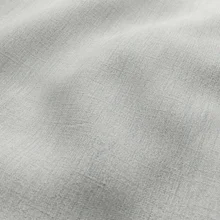


Tahiti by Mokum
Tahiti by Mokum
Tahiti, Mokum's practical polyester plain, has been recoloured to include an extensive palette of mineral shades, fashion driven mid-tones, and comprehensive neutrals. The recolour features an added performance benefit of being engineered with FibreGuard, ensuring this soft chenille textile is extremely easy clean, developed to withstand the rigors of daily life.
100% Polyester


Sea Urchin by Mokum
Sea Urchin by Mokum
Speaking to past Mokum patterns, this glamorous mid-scale motif complements plain textures perfectly. Inspired by the skeletal beauty of the Sea Urchin, this gorgeous chair scale upholstery is woven in Italy. The motif is produced using fine soft chenille yarns and sits within a lustrous tailored ground.
85% Viscose, 11% Cotton, 4% Polyester

Hollywood by Mokum
Hollywood by Mokum
Glamourous yet understated, this Mokum classic has been refined and refreshed. The luxurious chenille upholstery is woven using the finest Italian yarn to create a subtle texture, soft handle and elegant tailored finish that suits both contemporary and classic interiors. Hollywood now offers a curated palette of sophisticated neutrals; where nuanced light naturals sit against grey based mid tones and dramatic dark neutrals.
52% Viscose, 32% Polyester, 16% Cotton
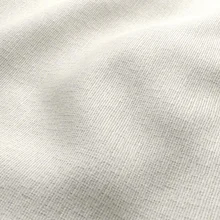


Leopardo by Mokum
Leopardo by Mokum
A perennial interior design favourite, leopard is a forever textile. Woven in a glamorous Italian jacquard, the sateen weave ground allows the iconic leopard spot to sit proudly in luminous viscose chenille. Coloured in decorative and classic colourways in both tonal and contrasting combinations, Leopardo is a perfect solution for schemes that require a subtle, small-scale pattern or dramatic statement piece - depending on your colour choice.
45% Viscose, 41% Cotton, 14% Nylon


Forests form an intrinsic part of our Earth’s ecosystem and are home to the millions of flora and fauna, from the miniscule to the gigantic, who work to maintain the lifecycles of our planet. Operating internationally since 1994, the Forest Stewardship Council (FSC®) is a non-government organisat...
