
Roman, Austrian, London, and Balloon Blinds

Journal
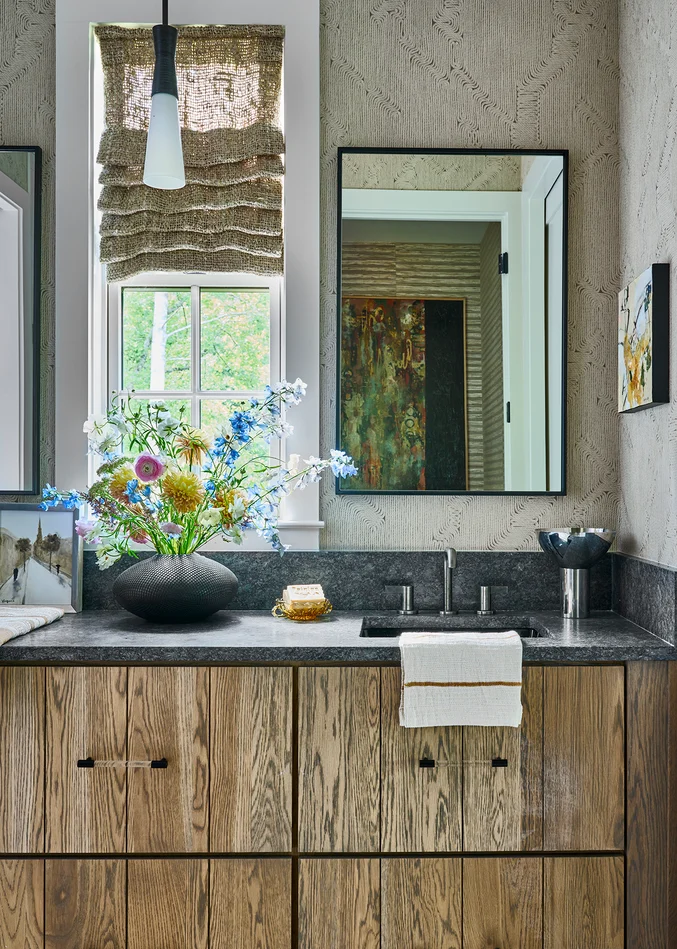
Handloom colour Gold by Mokum | Interior by Elizabeth Joice Interiors, photograph by Mark Mauldin
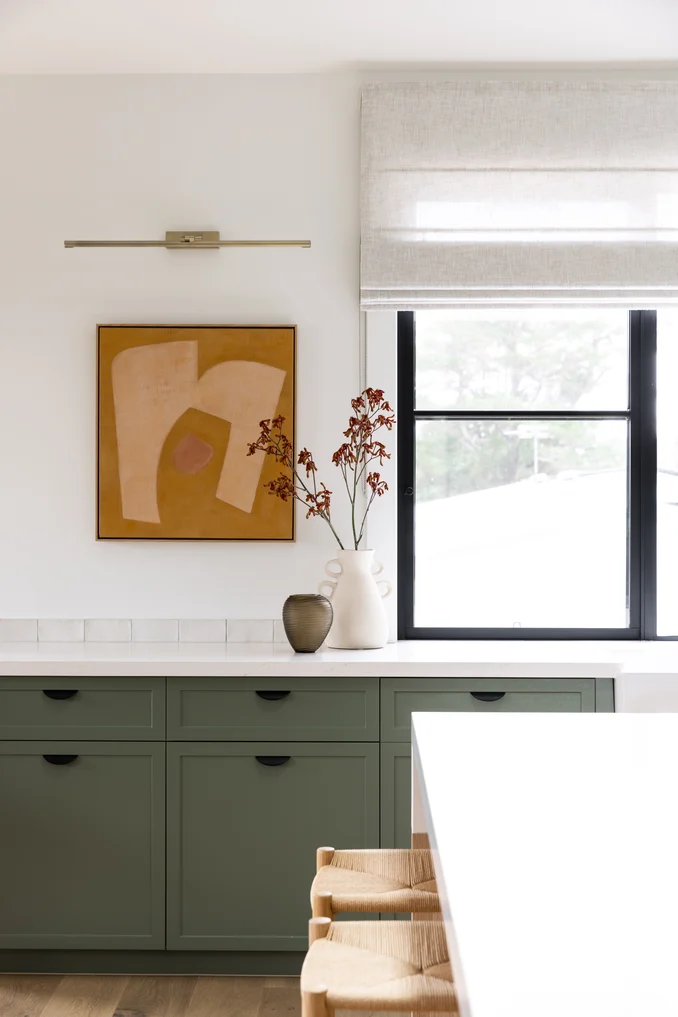
Homespun colour Whitewash by James Dunlop | Window furnishings by Marlow & Finch
Four key styles of soft blinds
From neatly tailored to exaggerated flounce, the style of a soft blind can influence the atmosphere of an interior in the same way a curtain header can.
In this article we define the four most common styles of soft blinds: Roman, Austrian, London, and Balloon, and illustrate some of each styles many subsets.
Roman Blinds
Roman Blinds
Often used in conjunction with curtains and/or sheers, Roman blinds are the most popular style or soft blind. They can be installed within or above the window frame to cover the joinery and feature cords which draw the fabric up from the bottom in a series of soft folds.
Favoured for their clean lines and unfussy appearance, Roman blinds can be made with almost any fabric and are often lined to ensure they sit neatly. There are a variety of Roman blind styles available:
- Classic or Structured Roman blinds feature sewn-in horizontal pleats which ensure they hold their shape and fold neatly when the blind is raised.
- Relaxed Roman blinds are a more casual alternative, distinguished by the relaxed bottom edge which forms a slight curve when raised. Adding a gentle sense of romance to a space, relaxed blinds work best with sheer or very soft fabrics and cannot be used as blackouts.
- Without the sags of Relaxed Roman or London blinds, or the structure of Classic Romans, Soft Roman blinds provide an unstructured appearance and flat surface when lowered. Because Soft Roman blinds have no battens showing apart from the bottom one, the structure within the blind is softened out and creates a soft fold as the blind is raised. Soft Roman blinds suit voile, sheer, or very soft fabrics.
- Hobbled Roman blinds are also known as Teardrop, Looped, or Waterfall Roman blinds. They are characterized by their smooth, flat appearance when lowered and their cascading, overlapping folds when fully raised.
Tip: It is usual to fit soft blinds 300mm above the architrave and a minimum of 30mm on either side of the architrave when fitted outside the frame. This ensures the blind will cover the privacy line and ensures the blind can be fitted level whilst still covering the framing.

Austrian Blinds
Austrian Blinds
An old-world European style characterized by cascading folds, Austrian Blinds feature a gathered heading and vertical shirring which creates horizontally gathered panels. With a distinct sense of formality, Austrian blinds form even pleats when raised and soft scallops when lowered.
Depending on the desired look, Austrian blinds constructed from sheer or voile fabrics will drape beautifully whilst diffusing light and thicker materials will provide blackout and insulation benefits. Heavy fabrics like velvet will create dramatic folds, whilst lightweight linen or cotton will impart a more casual, ethereal appearance.

London Blinds
London Blinds
Softer than Romans and less voluminous than Austrian blinds, London blinds display a smooth, tailored appearance when lowered and casual folds when raised. The pull cords are inset several inches from the sides of a fabric panel, creating a gathered fishtail or wing effect.
Best suited to fabrics which hold their structure, opaque materials such as unlined linen will filter light into a space, whilst lined textiles can be used to increase light blocking. London blinds are popular in bedrooms or living areas where romans may feel too severe.
London blinds usually feature decorative touches like a contrasting inverted pleat, banding or trim along the bottom edge, or key tassels caught at the inner wing.
Tip: London blinds are generally made to fit 100mm wider than the architrave to allow for their relaxed sides. If this is not done the small side wings pull the blind inwards creating a gap between the edge of the blind and the window frame.

Balloon Blinds
Balloon Blinds
A classical design style, the exaggerated folds of fabric billow into voluminous, balloon-like scallops along the bottom edge of the Balloon blind when raised. Balloon blinds can feature vertical pleats, inverted pleats at wide intervals from top to bottom, or a gathered heading to enhance their romantic, flouncy appearance.
If the cords and rings are inset from the side edges, the bottom corners hang down below the scallops creating a ‘tailed’ or ‘butterfly’ effect.

Melbourne-based interior designer Alyssa Owens’ seamless blend of vintage and contemporary pieces, bold colours, and evocative artworks creates spaces infused with intrigue. After seeing Alyssa’s application of Mokum’s Sahel and Panthera textiles in her Stable House and Heron House projects, we c...
