
Discover the unique appearance and attributes of each composition

Journal

Polyester velvet | Verdancia colour Topaz by Mokum

Alpaca velvet | Jay Chair by Arthur G in Alpaca Velvet colour Ochre by Mokum | Photograph by Lillie Thompson & Bek Sheppard

Viscose velvet | Miles Sofa by Arthur G in Bespoke colour Atlantic by Catherine Martin by Mokum | Photograph by Lillie Thompson & Bek Sheppard
Understanding velvet compositions
Velvet is classified by the unique loom on which it is woven, but the pile can be crafted from almost any fibre. Known for being soft and lustrous, velvet is a surprisingly robust textile with a beautiful surface patina which develops over time and use.
Rather than standing up straight, the pile curves and reflects light in only one direction. Although this restricts the ability to railroad fabric in upholstery, it creates the choice between a matte or lustrous surface.
Whether natural or synthetic, each fibre offers a unique look and set of attributes to an interior. Read on to discover which one is right for your space.
Alpaca, llama, mohair
Alpaca, llama, mohair
These fibres produce an exceptionally deep pile and are the height of luxury in textiles. The drier surface is very hardwearing and forgiving of sway, these velvets look as-new ten years on. These noble fibres are often blended with cotton, linen, or silk to soften the hand and increase lustre.
Possessing a natural shine, Mokum’s Lama Velvet is hypoallergenic and antimicrobial with moisture-wicking properties which increase the textile’s water, stain, and fire resistance.

Mohair velvet | Komalvara by Designs of the Time


Cotton
Cotton
Cotton velvets have a very flat appearance. Due to shading they must be used conventionally, but when applied to a 3D piece of furniture the colour variation blooms to amplify the shape.
Cotton velvets are strong and patina well, if marked in transit the pile will revive overnight if rolled out and misted.

Cotton velvet | Almo Bis by Designs of the Time


Linen
Linen
Dry and crisp to the touch, linen velvets offer a more organic texture. The mottled, irregular surface is characterful and lived in. Mokum’s best-selling Bespoke velvet sought to emulate the appearance of linen velvet with the soft touch of viscose.

Linen velvet | Ellice by Zinc Textile


Silk
Silk
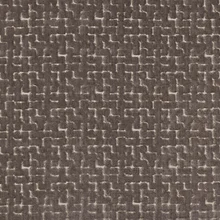
The ultimate luxury, silk velvets are ancient textiles. Their luminous quality is inimitable and like viscose they take colour exceptionally well. Favoured by the Italian Medici family, rich shades of burgundy and gold are synonymous with silk velvet.

Silk velvet | Silken by Mark Alexander (distributed by James Dunlop Textiles in Australia)


Wool
Wool
Often woven on historic looms, sheep's wool is a fine but very long fibre which produces an impressive pile. With the natural qualities of inherent flame retardance, dirt repellence, anti-static, and temperature regulating, wool is an eternally popular fibre.

Wool velvet | Milma by Designs of the Time


Viscose
Viscose
Soft but strong, viscose is a regenerated fibre with luxurious silk-like qualities. Offering a luxurious sheen without the shine of polyester and taking colour exceptionally well, Viscose has become a favoured fibre in the Mokum range as it
With a tendency to watermark, viscose cannot be spot cleaned. Alternatively viscose textiles can be misted, essentially watermarking the entire fabric – reach out to your local showroom or sales representative to learn more.

Viscose velvet | Monarque colour Gold by Catherine Martin by Mokum | Swell Hotel, interior by Nyree Mackenzie


Polyester
Polyester
Polyester velvets are extremely hardwearing. Often featuring stain resistant and flame-retardant attributes, they are ideal in commercial environments.
Many polyester ‘velvets’ are not true velvets; in fact, they are knitted or brushed textiles with a velvet look. Offered at accessible prices, these textiles do not shade like true velvets and can therefore be railroaded to increase usability.

Polyester velvet | Vienna colour Elm by James Dunlop


Solution Dyed Olefin
Solution Dyed Olefin
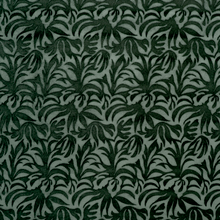
A synthetic fibre, solution dyed olefin is a superior textile for high sun environments – offering incomparable fade resistance and the ability to wash mould away.
Think of piece or yarn dyed textiles like a radish, coloured on the outside, white on the inside, and solution dyed textiles like a carrot, coloured all the way through. This means that as the sun shines on the fabric, it cannot penetrate the colour.

Solution dyed olefin velvet | South Beach colour Sky by Mokum


Sheer curtains have evolved to bear little resemblance to the doily-esque net curtains of old. Florals and lace have been usurped by a desire for texture – be that fine, chunky, or smooth – with a lustrous or organic look. The romance of sheers is in their ability to softly filter light into home...
