
Stylistic elements of the past 100 years

Journal

Epitome by Mokum

Hygge by James Dunlop

Bauhaus by James Dunlop
A short history of interior trends
Ancient Egyptians inhabited humble mud huts with simple furniture and embellishments of animal skins, murals, sculptures, and painted vases. Roman and Greek civilizations developed this further, combining beauty and comfort in their furnishings.
Fast forward to today and interior design remains focussed on the ways we experience spaces. Showcasing our personality while creating comfortable, functional spaces that are beautiful to be in.
Interior designers draw upon the stylistic elements of past generations and as with any trend, they are cyclical. Here we provide a timeline of interior design movements from the past 100 years, complemented by a selection of fabrics which embody each period.
Art Nouveau
Art Nouveau
1900s
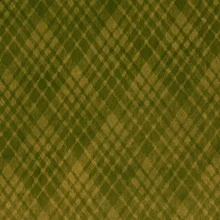
A decorative and distinctly nature-inspired period of design where ornamentation came from gentle lines of curved asymmetry and motifs drew from floral shapes, leaves, and stems – depicting nature’s sinuous forms. These linear rhythms can be found in pattern, architectural details, and furniture. The style has a more sombre palette, drawn from nature green features heavily.
Colour: Mustard, sage green, olive green, and brown with accents of lilac, violet, and peacock blue.
Pattern: The female form, stylized flowers, leaves, buds, and seed pods, curvy lines. Wallpapers show flowers, peacock feathers, birds, and dragon flies. Parquet floors.
Materials: Cast iron and steel – symbolic of the Industrial Revolution. Ceramics, glass, concrete, exotic woods, marquetry, iridescent glass, silver, semi-precious stones, and stained-glass panels.

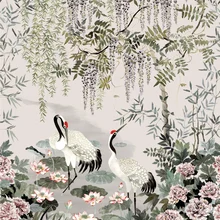
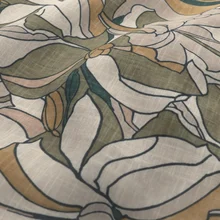
Ginko Wallpaper by Casadeco


Art Deco
Art Deco
1910s
A glamourous and rebellious movement which embraced modernism, Art Deco remains popular today. Rejecting the fluidity and ornamentation of Art Nouveau, repeating geometric motifs and stepped, zig zagged, and radiating patterns in an array of textures are truly distinctive of this style. Art Deco marries opulence with modernity, showcasing reeding and fluted details and striking contrasts in palette with silver and gold against black and cream.
Colour: Gold, black, cream, tan, brown, silver, jewel-toned reds, blues, and greens, and pale pink. Metallic finishes feature heavily with chrome a favourite.
Pattern: Geometrics, curvilinear and arching motifs, sharply defined outlines in zig zags and stepped repeats, animal skins and prints bring in luxury and tactility.
Materials: Lacquer, plastic, polished woods including burl walnut, Zebrano and Macassar, marble, metals including chrome, aluminium and bronze. Metallic yarns appear in fabrics, silk and velvet are popular.

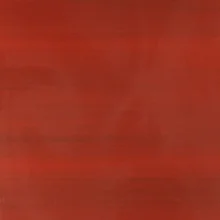
Beverly Hills by Catherine Martin by Mokum



Bauhaus
Bauhaus
1920s
Innovative and sleek with a focus on form, function, and simplicity. The integrity of materials in their unadulterated form was paramount to the Bauhaus art school, which aimed to connect fine arts and craftsmanship, with both holding equal importance. Bauhaus is perhaps the precursor to minimalism as we know it, introducing pared back spaces, open plan living, and flat pack/folding furniture.
Colour: Primary colours become popular in both art and interiors. Blue, red, and yellow sitting alongside black and white.
Pattern: Geometric forms in stripped back and unadorned architectural materials. Design embraced simple graphic shapes, creating surface patterns with symmetry at the core using squares, triangle, and circles.
Materials: Glass, concrete, and tubular steel in furniture, along with plywood, plastic, leather, and wicker in furnishings.

Cubilete by Zinc Textile


Streamline Modern
Streamline Modern
1930s
A design aesthetic characterised by practicality and simplicity over ornateness and inspired by the technological advances in aviation and industrial machines. Aerodynamic forms prevail with long horizontal lines, rounded edges, corners, and openings. Picture the iconic Airstream caravan/trailer designed at the peak of this period.
Colour: Simplified colour schemes, white or pale neutrals are paired with contrast colours like blue-based ocean shades of aquamarine, bottle green, powder blue, teal, or navy.
Pattern: Like the Art Deco era, showcasing repeating arcs, layered zig zags, and fans. In architecture, linear details feature on the horizontal plain rather than the vertical style of Art Deco.
Materials: Utilitarian surfaces reign – glass block walls, mirrored panelling, smooth wall surfaces, aluminium, chrome, and stainless-steel.

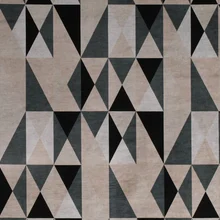
Refraction by James Dunlop



Mid-century Modern
Mid-century Modern
1930s-1960s
A style with enduring popularity, mid-century modern is identified by a lack of ornamental features in favour of clean lines and an embrace of minimalism. Spacious, light filled, open plan interiors are accented by white or neutral colour palettes and the inclusion of rich bold shades. Function wins over form, nature is brought indoors.
Colour: White and nature-inspired neutrals, key colours of chartreuse and grey, orange and brown, teal and pink, black and white are used in combination for graphic effect.
Pattern: Bold geometric forms mix with organic shapes in vibrant prints. Patterned designs are inspired by the concepts of futuristic living and modernist art movements. Kidney and boomerang shapes are popular.
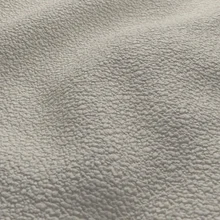
Materials: New materials inspire – plastic is heavily used, often in bright sugary colours. Plexiglass, leucite, wood, plywood, moulded fiberglass. Fabrics with deeply tactile surfaces like boucle, heavy weaves, nubby wool knits, and vinyl are popular.

Surface Collection by Mokum


Flower Power
Flower Power
1970s
The 70s aesthetic incorporates earthy colour palettes, plenty of texture, flocked and boldly patterned wallpaper, and indoor plants. Patterned linoleum floors were the mark of an on-trend kitchen or bathroom alongside crochet throws, pattern on pattern, architectural features like sunken living areas or floating stairs, rattan furniture, macramé décor, fringing, ceramics, floral upholsteries, feature lighting, exposed brick, textured wall finishes, the list could go on and on! It was the ‘more is more’ decade.
Colour: Bright shades of yellow and orange with brown are ubiquitous but almost no combo was off limits. Think pink and purple, bright green and pink, black and white and neon.
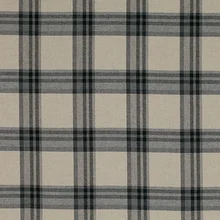
Pattern: In evolution on the previous decade patterns grew more craft-inspired and a folk influence emerged via florals and organic geometrics along with wool plaid for the more traditional home. Psychedelic shapes and eye-tricking repeats appeared, heavily influenced by the counterculture.
Materials: Richly hued timbers like cherry and ebony were popular. Plastic, rattan, chrome, stone, bamboo, cane, wool, boucle, velvet, chenille, tiles, terrazzo, brick, marble, concrete – plenty of variety.

Monarque & Royal Peacock Wallpaper by Catherine Martin by Mokum


Post Modernism
Post Modernism
1980s
Just like the era’s fashion, 80s interiors embraced pops of colour, bold graphics, and unconventional shapes. Think pastel, chintz, neon, vertical blinds, pop art, brass, heavily swaged drapery, ditty florals, glass top tables, CD towers and big black or silver multi-component stereos on display.
Colour: White and beige often mixed with pink and turquoise (thanks Miami Vice), neon pinks and purples, pastels like mauve and sea foam, stronger tones of teal and coral, black and white, indigo, or cream.
Pattern: Playful geometrics, free-hand doodled abstracts, country florals, or preppy blue and white stripes depending on whether you embraced the modern aesthetic or the country-causal Laura Ashley style.
Materials: Glass, powder coated metals, brass and chrome forms, leather, cotton chintz, velour and velvet, cotton, mirrors, and natural timbers.

Ladbroke by Zinc Textile


Neutral Minimalism
Neutral Minimalism
1990s
The 90s countered the bold and flashy 80s era by embracing minimal design, heralded by Terrance Conran’s influential interior design publications and London store. This new minimalism championed open plan living. Kitchens and relaxed living spaces formed the central hub of a home, eschewing closed formal lounges and dining rooms. Interior spaces became light and relaxed, mixing natural timbers, white walls, large windows, and contemporary yet comfortable furniture. This more modern lifestyle was also influenced by Scandinavian design.
Colour: White, taupe, and brown with accents shades and feature walls in aubergine, chartreuse, and cobalt blue.
Pattern: Patterned textiles and wallpaper were relegated to accessories or feature items. Plain textiles and paint dominated this decade, as a reaction to previous eras’ abundance of pattern.
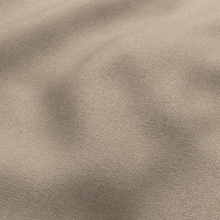
Materials: Light timbers, sand blasted glass, polished concrete, brushed stainless steel, brushed cotton, suede, leather, and faux suede. This decade also embraced technology, especially seen in synthetic versions of natural fabrics like faux suede and silk draperies woven from accessible and affordable polyester yarns – these were the best-selling textiles of the 90s.

Fleece by James Dunlop


Global Design
Global Design
2000s
The interior design industry entered the new millennium with a confident desire for self-expression. With the advent of the internet and reality TV, consumers were bombarded with design and DIY inspiration, and as people began travelling more than ever, design influences became broader. Danish design extended its reach, spearheaded by the global retailer juggernaut Ikea.
Colour: White and grey-based neutrals remained dominant while brown and warmer cream tones retreated.
Pattern: Printed Ikat effects and cultural inspired textiles lead the way, reflecting globalisation.
Materials: Natural timbers, marble, granite, terrazzo, brass, copper, bricks, linens, velvet, and outdoor textiles.

Heron by James Dunlop


Responsive Design
Responsive Design
2010s-2020s
Homes continue to become more causal, with holiday and resort-style locations heavily influencing interiors. The desire to create a calming sanctuary and the increased awareness of health and wellbeing add to the popularity of tactile textiles and indoor plants. Previously relegated to boating, outdoor fabrics have become a unique product category led by innovations such as high-performance solution dyed yarns.
Colour: Feminine shades of millennial pink, nature-inspired greens, and blue with clay-based tones.
Pattern: Tropical designs and botanical prints are prevalent, as is the maximalist aesthetic and ‘more is more’ approach evident in statement wallpapers and bold fabrics.
Materials: Timber, rattan, natural fibres especially linen, heavily textured weaves or synthetic versions that replicate natural fibres. Outdoor textiles increase in popularity due to advances in synthetic constructions. Velvets are as popular as ever.




A fable is a story, and this collection celebrates the act of storytelling through textiles. Studying the ways we choose to layer colour, design, and texture with heirloom furniture and gathered curiosities to carefully blend the old with the new. The Oriental influence running through Fable is m...
